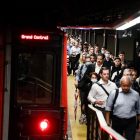
Strike possible on Metro-North

Unions and Transportation Go Together Like a Horse and Carriage — Sometimes Good, Sometimes Not

Download PDF

In perhaps no industry other than transportation does organized labor have so much power. And those unions are getting aggressive in their demands. The 340,000 members of the Teamsters who work for UPS are now voting on a new contract giving them better wages and working conditions. Under the union’s proposal, those big brown delivery trucks would finally get air conditioning, essential in such a strenuous job in an era of global warming. Less lucky were the 22,000 Teamsters who worked for 99-year-old Yellow Trucking.

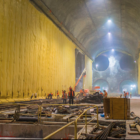
East Side Access Project Grand Central Terminal side

Cameron on Transportation: CT Commuters to Get Screwed by New LIRR Station Below Grand Central

Download PDF

We all know what happened when Boston decided to bury its downtown elevated interstate highway, known as the Central Artery. What was intended to be a seven-year, $2.6 billion project ended up taking a decade and costing $14.6 billion. Head’s up: New York’s Metropolitan Transportation Authority — the parent company of Metro-North — has similar designs for our beloved Grand Central. Nicknamed the East Side Access project, the goal is to bring some Long Island Rail Road trains into Grand Central. The plan would use the lower level of the already built 63rd Street subway tunnel, allowing some LIRR trains from Queens to enter Manhattan and then follow a new, very deep tunnel under existing Metro-North tracks beneath Park Avenue.

Jim Cameron Jim Cameron 8-2-16

Arguably the Most Famous Train in American History: Cameron on Transportation

Download PDF

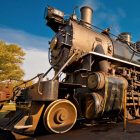
The 20th Century Limited was arguably the most famous train in American history, running between Grand Central Terminal and Chicago, offering the finest in accommodations and services for 65 years. The first of these trains ran in 1902, making the journey in 20 hours, four hours faster than before. By 1905, the running time was reduced to 18 hours. The operator, New York Central Railroad, offered each passenger $1 per hour for any delays because it was so confident in its on-time performance. That was when a one-way fare was about $50 for a sleeping section.